
Futures markets: shaping perception through deception
The instrument shaping herd perception, ultimately your perception.

Precious metals investors will be very familiar with the theme of this letter, but oil investors perhaps less so. Oil investors are now experiencing the full force of the same monetary oversight that precious metals investors have long endured, and eventually came to peace with. Heightened confusion among oil investors, similar to what we earlier observed with gold and silver investors, will probably enter overdrive.
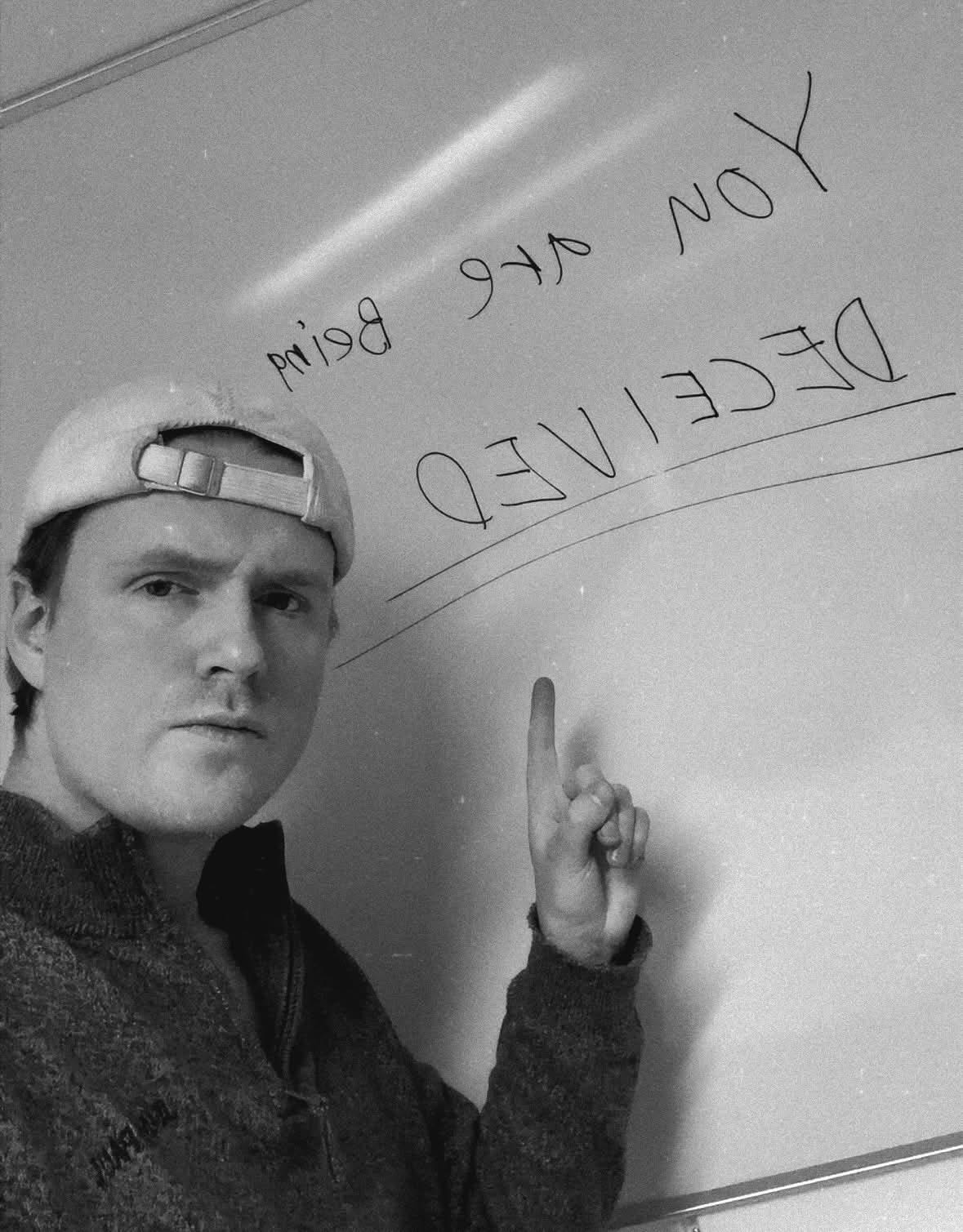
Last Thursday, the White House signaled something unusually direct: the possibility of using the futures market to influence the price of oil. (Yes, this is communistic price controls). Strategies that once were implied quietly is now being discussed more openly. Officials suggested that the mechanisms of futures pricing themselves could be used to guide where oil prices move. We have long been aware how this financial market truly operates, but its the open rethoric that stands out.
This acknowledgment reveals a deeper tension in the structure of modern markets. Futures markets were originally (the official reason) designed to manage uncertainty and allow prices to emerge from the interaction of countless participants hedging risk and expressing expectations. However, the underlying and secret objective has long been the containment of commodities denominated in dollars. Their legitimacy rests on the principle of price discovery yet the architecture of these markets has also evolved into something far more strategic. In a global system where key commodities are priced in dollars, the level of commodity prices carries implications for the credibility of the currency itself. Rising commodity prices signal pressure within the monetary system, exposing inflation and the erosion of purchasing power. They do not want that, or at the very least, they do not want you to notice. Nor did the society notice, for decades.
For further context, I recommend reading my previous pieces relating to paper, futures and the derivatives system, often discussed in connection with gold and silver.
A complex system with paper dynamics designed to decieve
Managing the price of commodities is not simply about stabilizing markets. It is about maintaining the appearance of the complete monetary stability. When commodities surge in dollar terms, they act as a mirror reflecting the condition of the currency. Suppressing those signals becomes a way to preserve confidence in the broader financial framework. This is why the paper market matters. This is why you are seing such chaos in relation to these prices. Futures, derivatives, and other financial instruments create a layer where expectations can be shaped and prices influenced without the immediate constraints of physical supply. That is precisely what they have done, just to the extreme. Through one exchange, a single banker can effectively move volumes equivalent to an entire year of global silver production in just one day. Of course, this is only paper silver, yet it has a profound impact on the price quotes investors observe in real time. This applies to ALL commodities. Shaping your perception.
What was once designed as a tool for hedging risk was also capable of steering perception, and over time it has increasingly evolved into a mechanism that can guide how markets interpret price and reality.
The deeper function of futures markets lies in the management of perception. By influencing how commodities are priced and how those prices are interpreted, utilizing countless of paper contracts, the system preserves confidence in the monetary order that sustains it. They are buying and selling things they do not have. When the prices of dollar-denominated commodities remain contained, the currency itself appears stable, and the broader financial structure retains its credibility.
This dynamic reaches far beyond commodity markets. When the signals that typically reveal monetary pressure are muted, the distortions emerge elsewhere in the economy. Suppressing commodities denominated in dollars has made it easier to sustain a system in which purchasing power is steadily eroded through the expansion of the money supply. By containing the rise of these commodities, the visible signals of monetary debasement are muted, allowing the effects of large scale money creation to unfold more gradually and with less immediate scrutiny. One of the clearest manifestations is the widening gap between income and the cost of a home. It is no coincidence that younger generations increasingly struggle to purchase a home, and I am afraid it will get severely worse. The imbalance reflects a system where financial stability is maintained in appearance, while the underlying pressures are displaced into other parts of the economy.
Markets are often presented as neutral arenas of price discovery, places where supply and demand speak freely through price. Yet moments like these, what we are currently experiencing in the 2020s, reveal that markets also exist within a larger framework shaped by policy, power, and monetary priorities. Instruments designed to reflect reality can also be used to shape how that reality is perceived.
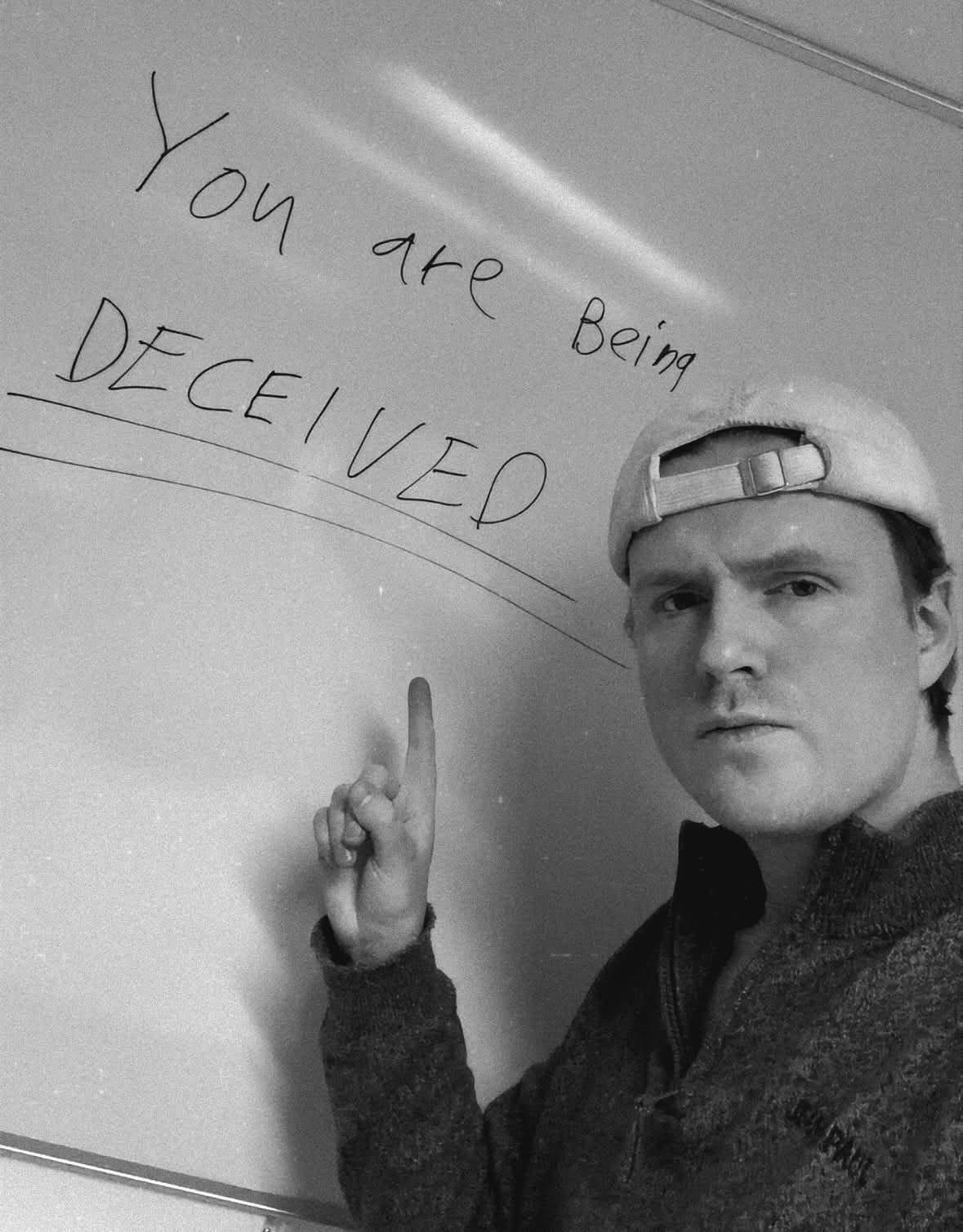
In the end, the system depends less on perfect equilibrium, than on continued belief in its stability. And belief, is a matter of perception. This is all about perception.
Ultimately, your perception.
Buckle up.
Best regards
Corporalis Commodis, Lasse